





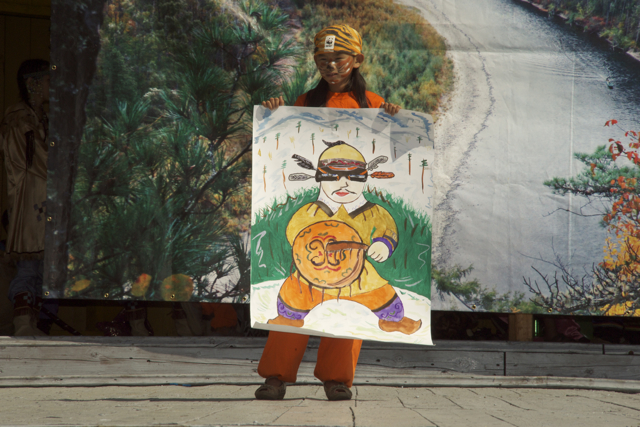







“We protect the tiger together,” says this poster at the school.
For two decades since the collapse of the Soviet Union, the Udeghe tribe has struggled to protect the Bikin River basin from intruders. Through a 49-year-lease with the federal government that was signed in 2009, the tribe now controls 1.1 million acres, the heart of the largest tract of virgin temperate forest in the northern hemisphere.
The basin plays a critical role in the survival of the endangered Amur tiger, known to Westerners as the Siberian tiger. They are the world’s largest cats, with the average male adult weighing nearly 400 pounds.
About 400 tigers live in Russian Far East, and the Bikin River basin is home to 50 of them.. Tigers rarely atack people.\\In 1997, an injurted tiger attacked and ate two Russians in Bikin River basin. The tiger was killed.. One of the Russians was a poacher.
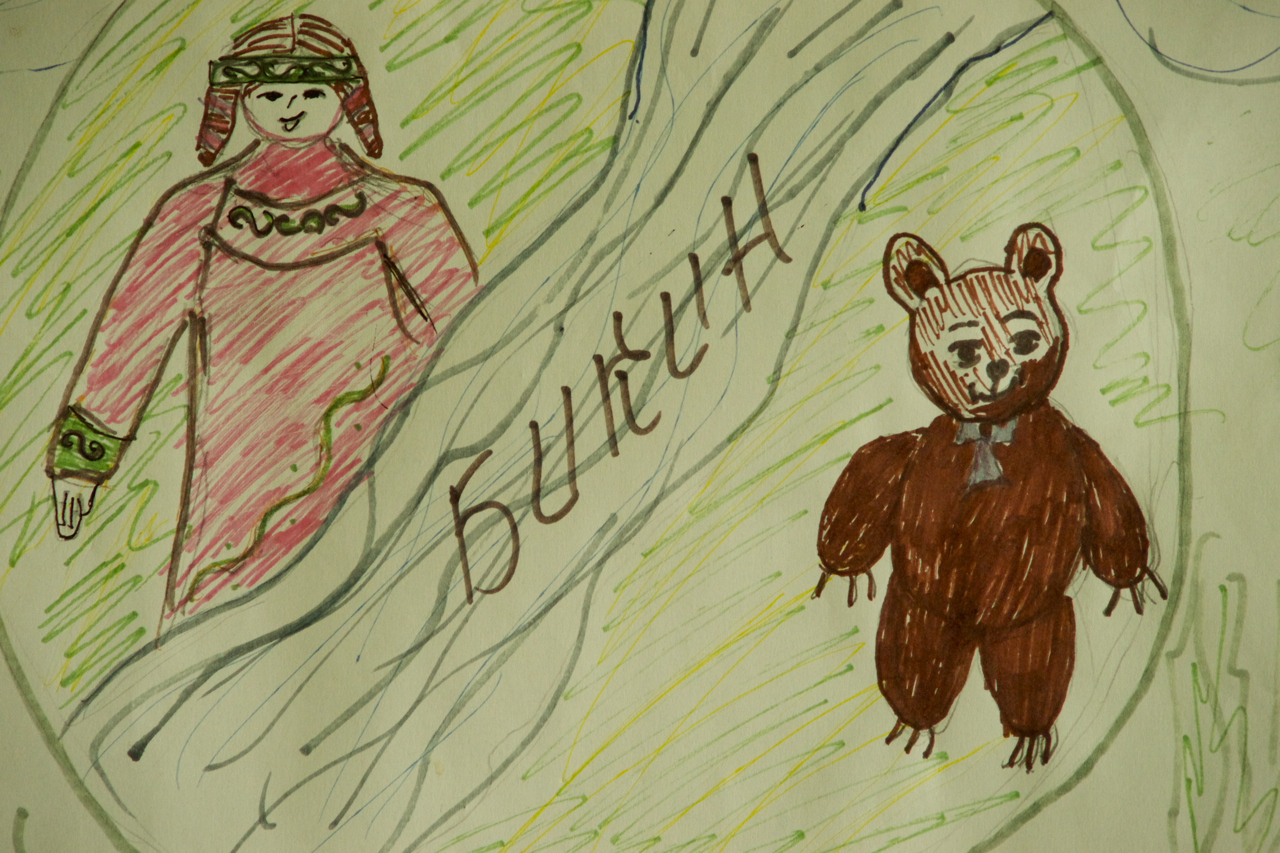
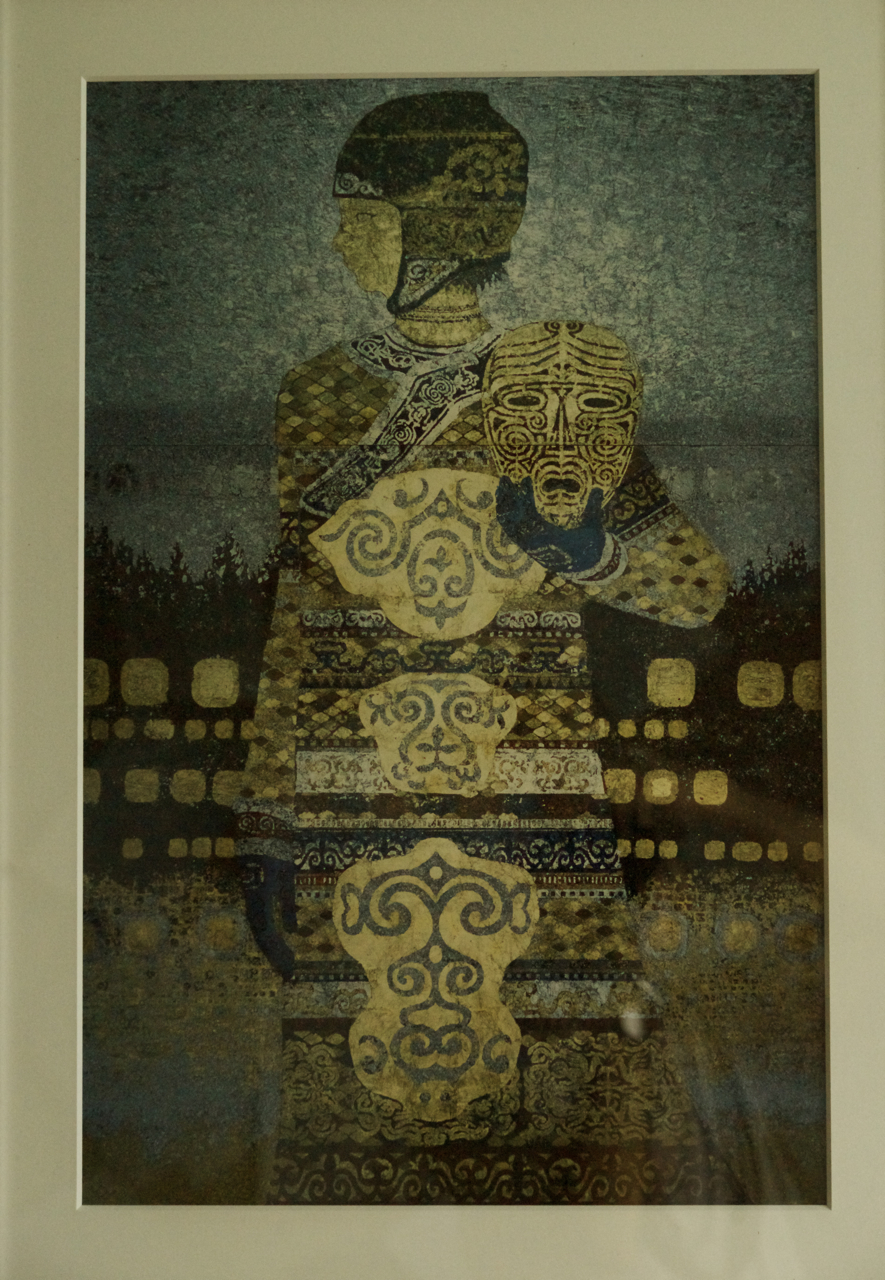
The Udeghe are among the eight indigenous tribes in the Russian Far East. Udeghe means, “forest people” in the Udeghe language.
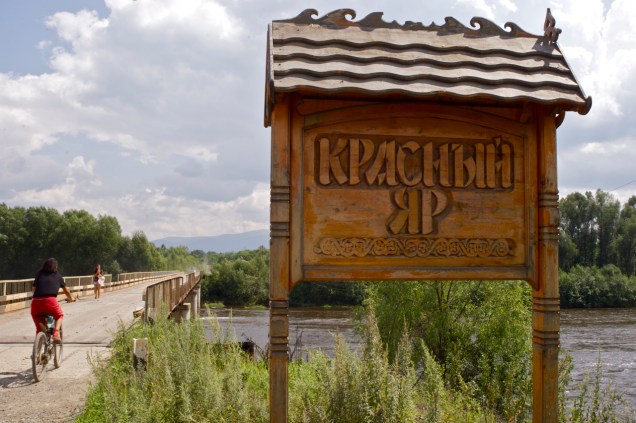
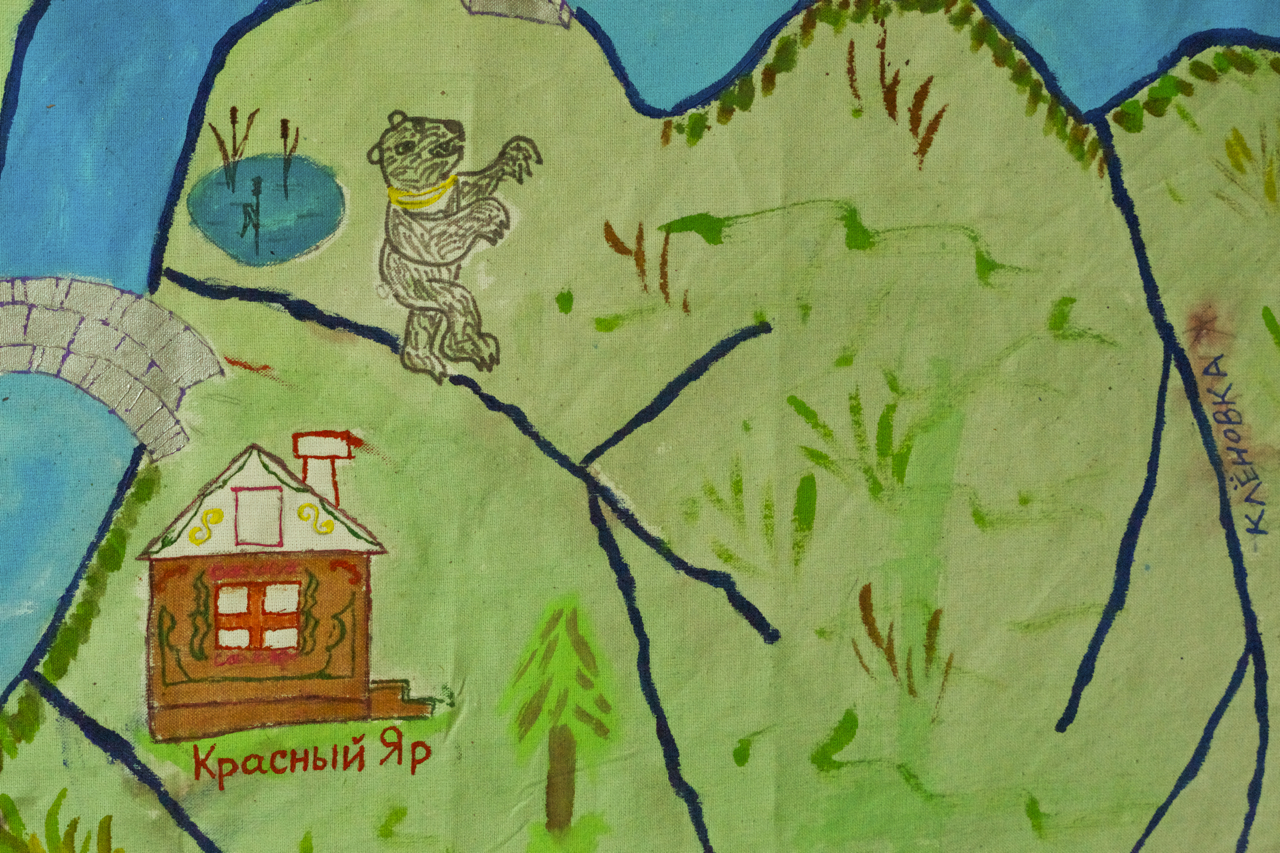
There are 2 million ethnic Russians in the region. There are only 1,700 Udeghe, and Krasny Yar, the largest of the four Udeghe settlements, is their capital.
The Udeghe as a culture may face greater obstacles for survival than the tiger.
The Soviets banished or killed the shamans when they finally gained control of the mountainous area in the 1930s. They also discouraged native people from speaking their own language and taught them Russian school.
Today, only elders can still speak the Udeghe language fluently. Children only know certain words and phrases, such as “bugdifi,” the Udeghe word for “hello, and “loosa,” which means “Russians.”
The Udeghe are now trying to save their language. Ihila’s friend, Maria Kunchuga, 17, this fall will study the Udeghelanguage at a university in St. Petersburg and then return to the village to work as an Udeghe teacher in the school.
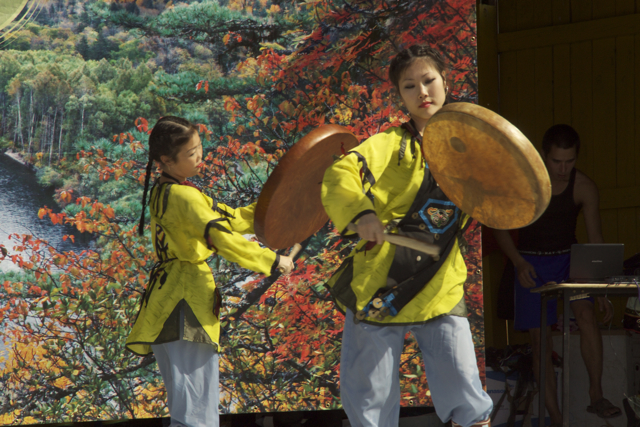
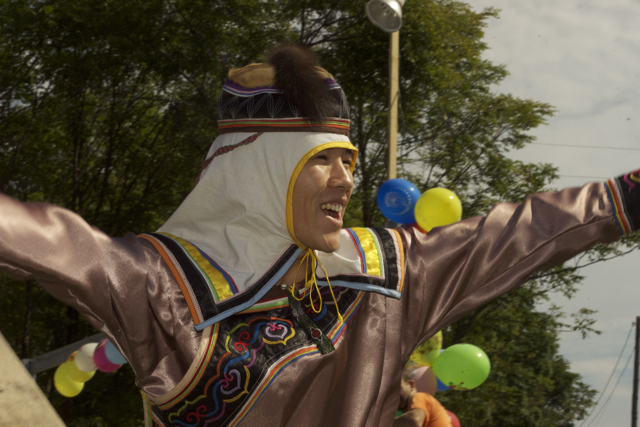
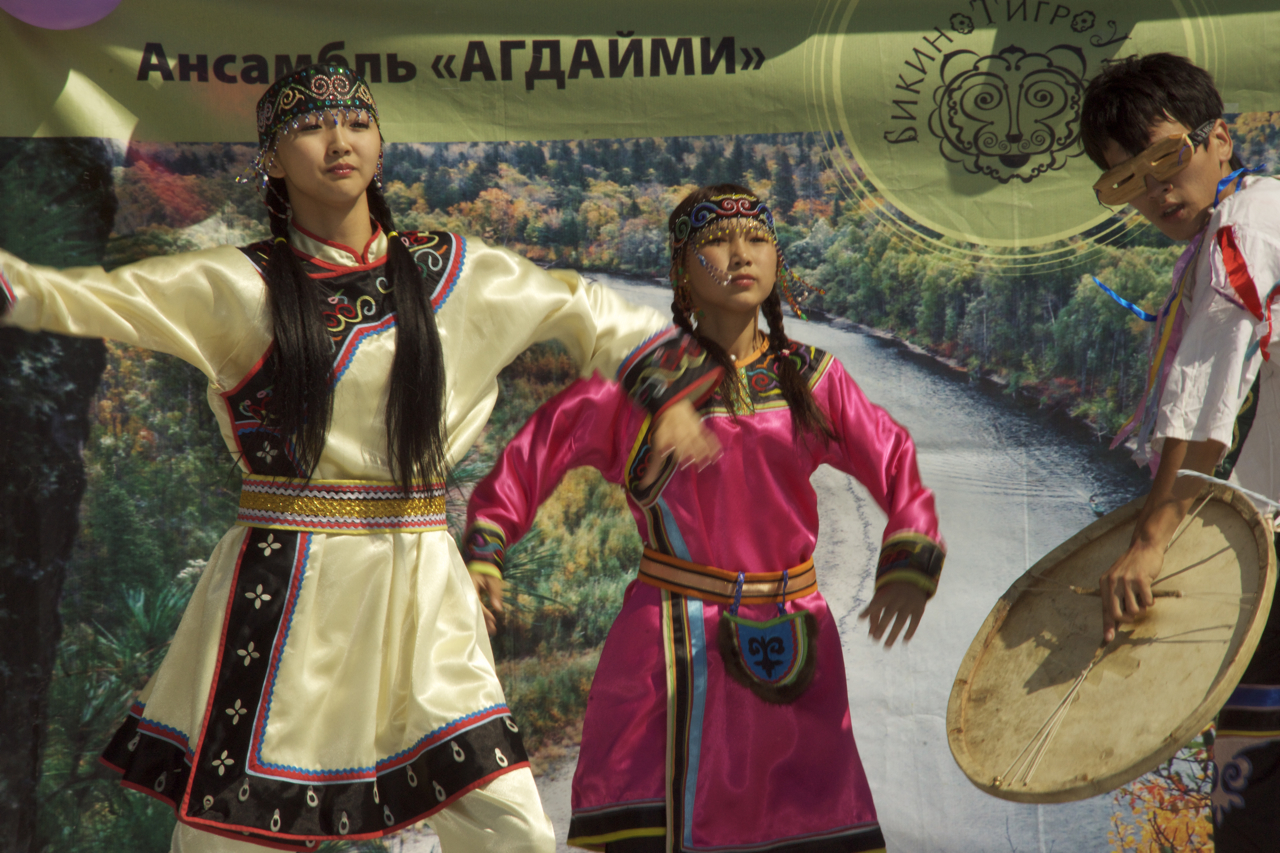
At the Udeghe festival, she recited a poem in the Udeghe language. Although few people understood her, the symbolism of the moment was not lost on the crowd: a young person was speaking Udeghe
When I asked why she want to study Udeghe, she replied in Russian, “It’s important to me. It’s my culture.”
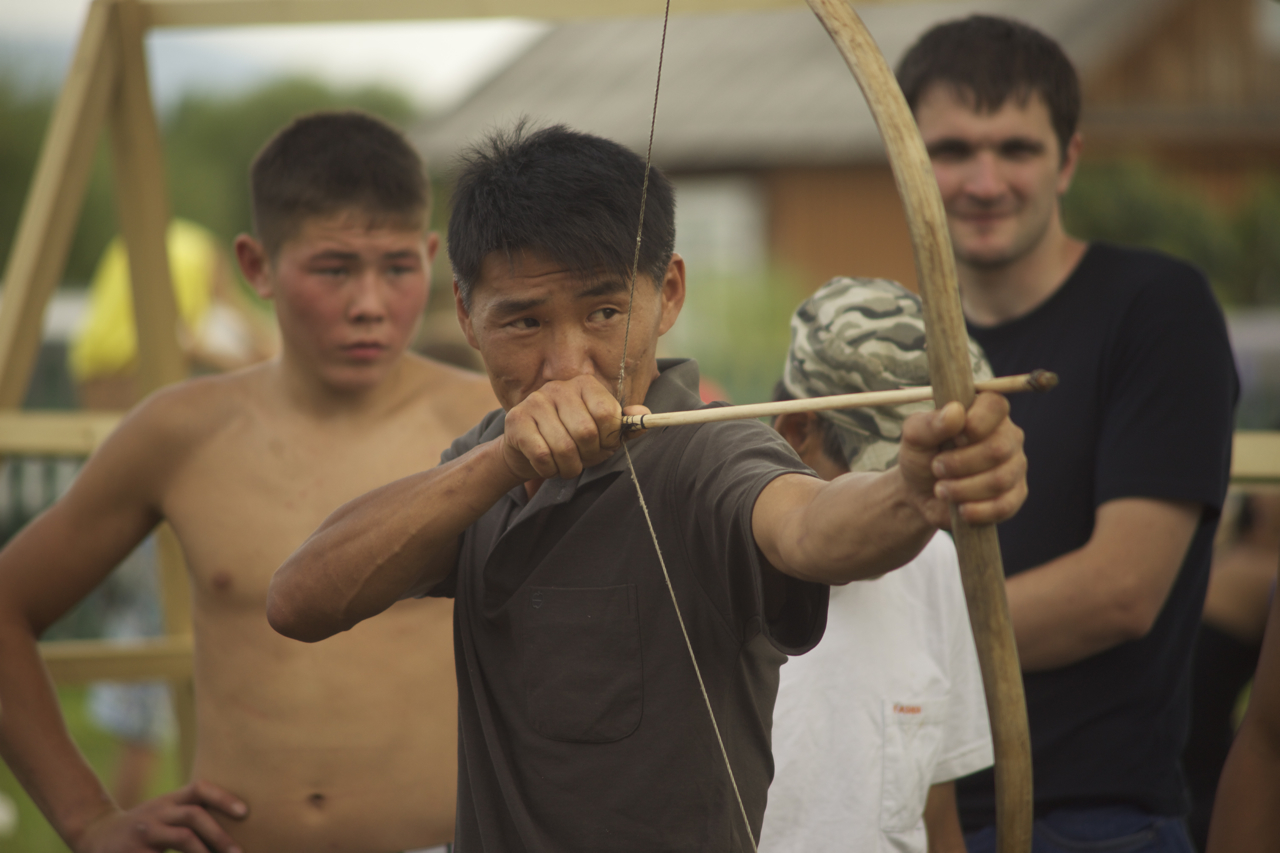
Udeghe men hunt and trap for a living, as they have done for many centuries, a cultural heritage that sustains them and has allowed them to remain in this mountain valley as cohesive group.
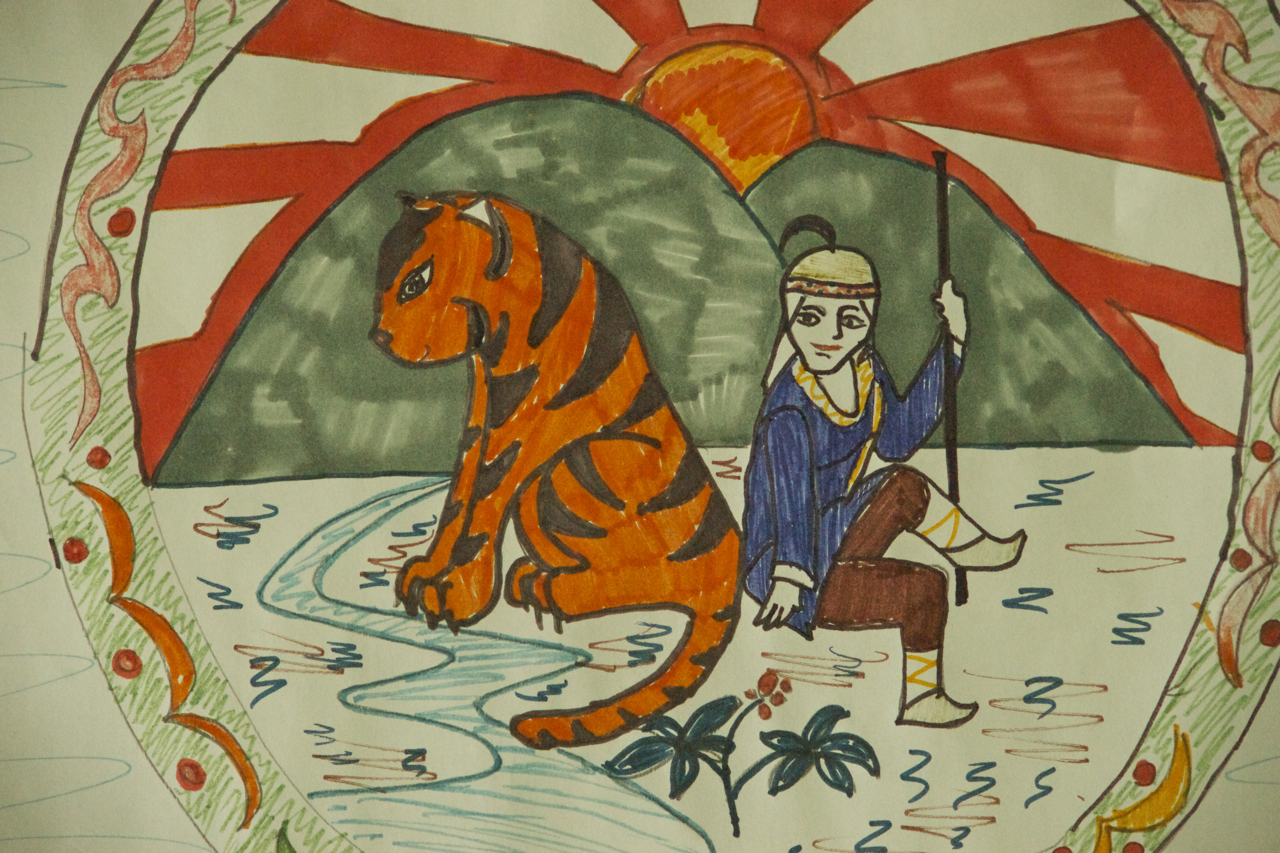
The Udeghe and the Amur tiger share this forest. Both the tiger and the tribe face the threat of extinction but for now each is holding its own.
In their struggle to survive, their interests are protected by the existence of the other. In a sense they are allies.
“As long as there are Udeghe here, they won’t cut the forest,” says Evgeny Smernov, a forest ranger with the provincial agency, the Institute of Geography, based in Vladivostok. “The Udeghe won’t allow it. There would be a war.”
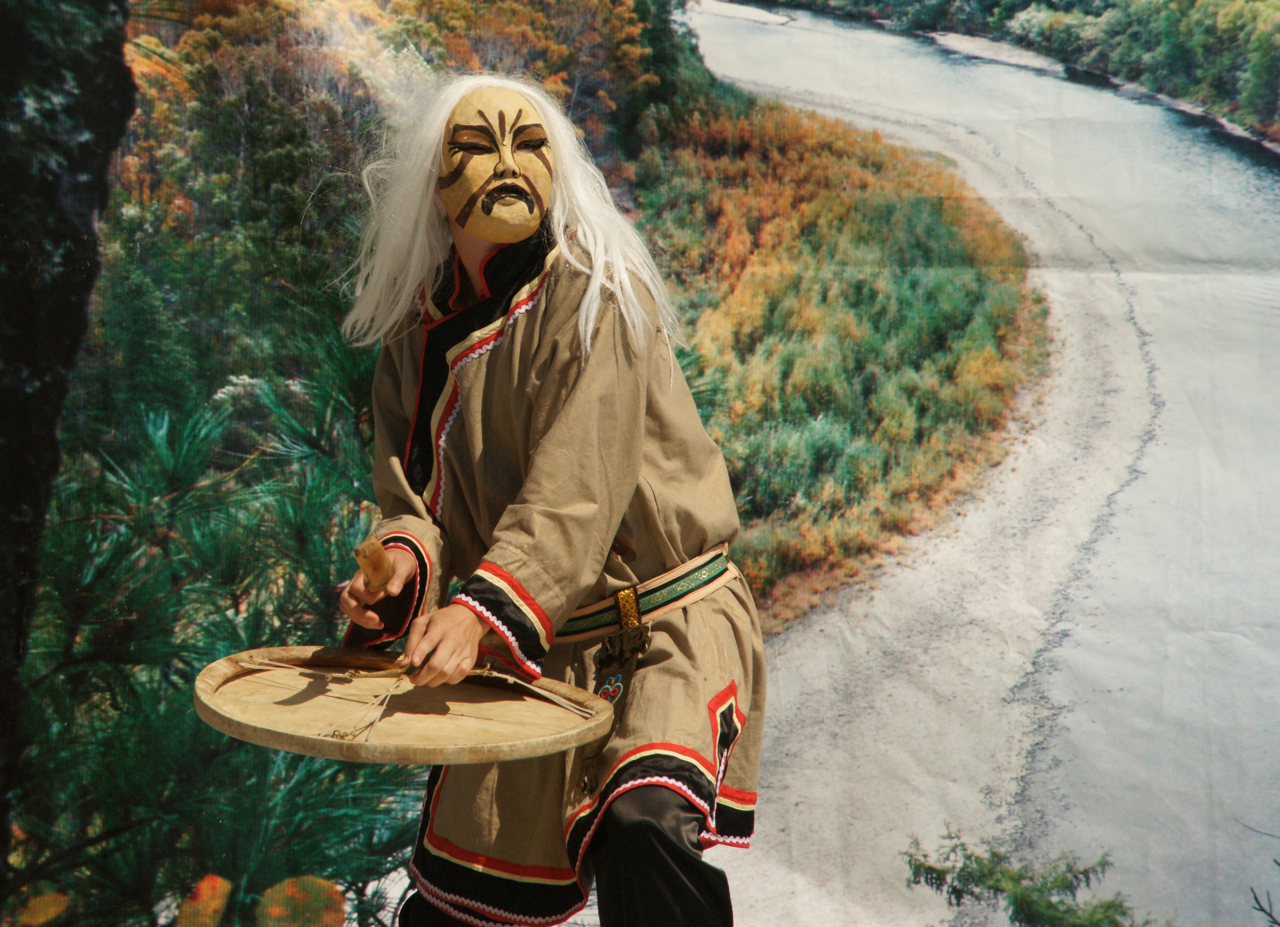
In the ancient pagan beliefs of the Udeghe, the tiger held the status of gods. Just to see one was considered a sign that one has done something wrong and would require a prayer for forgiveness.
Today, while modern Udeghe hunters may not all see tigers as gods, they still view them with both fear and respect.
Russian and Chinese poachers are hunting the tigers —often with the use of a live dog as bait. During our visit, police arrested a Russian man in another town after finding in his home the skins of three tiger cubs and four grown tigers.
Pound for pound, the tiger is the most valuable animal in the taiga. Its various parts are sought by the Chinese for use as medicine and for its supposed powers as aphrodisiac. A tiger corpse can fetch as much as $20,000 on the black market.
An Udeghe hunter during the four-month trapping season can earn about just 45,00 rubles, or about $1,500, before expenses.
For the Udeghe, killing a tiger remains taboo, a violation of a deep cultural value.
“The tigers keep the forest healthy,” says Yuri Sun, 51, an Udeghe hunter who keeps 150 traps in an area 15 kilometers upriver from Krasny Yar.
“It’s good that the territory has tigers. They bring balance to the forest,” he says. “If there were no tigers, there would be wolves, and they would kill everything.”
Sun is among the 47 professional hunters/trappers in the village. Each is allotted a territory in which they trap fur-bearing animals, such as mink and sable.
Sun traps from November through February, when animals have their heavy fur coats and before they produce off spring. While Sun just works during the four-month trapping season, other hunters also work year round. Both in the outside the trapping season, they hunt deer, elk and wild boar. They and also fish in the Bikin River, pursuing a trout-like fish called Shuka.
“The hunters are fiercely protective of their territories, and Russian law is lenient in situations when a hunter shoots an intruder,” Smernov says.
Smernov, who is married to an Udeghe woman and lives in Krasny Yar, says hunters are protecting their livelihoods, not the tiger. But their vigilance has had the effect of keeping poachers from intruding into the basin.
The Udeghe are also politically active in fighting back attempts by logging companies to harvest the forest. Just last year, nearly the entire village traveled to Luchegorsk, the nearest significant town, and a four or five-hour drive on dirt roads to demonstrate against a proposal by a logging company to log part of the Bikin Basin.
The demonstration, along with 25,000 signatures gathered by the World Wildlife Fund, convinced the authorities in Moscow to kill the plan, says Yuri Darman, director of the Amur branch of WWF Russia.
In 1992, the chaotic year that followed the collapsed of the Soviet Union, a South Korean logging company tried to move into the basin to log it and was met by armed Udeghe hunters. The South Koreans turned back.
They have since then successfully fought off several proposed logging operations that followed.
“If there were no Udeghe people in Krasny Yar, all this country would be logged out,” Darman says.
The tiger population in the basin is stable, says Smernov, whose job includes keeping a census of the tiger population in the basin. Tigers need large territories to sustain themselves, and there is no room left in the basin to support more of them.
Logging operations in the Khor River basin have driven tigers there into the Bikin River basin, putting pressure on the existing tiger population in the basin.
He says the tiger population in the basin has reached its maximum for the amount available food. An individual tiger needs a territory of about 20 hectors, an area of 20 kilometers by 10 kilometers.
The territory of an individual tiger — or a single male tiger at its harem of females — is similar in size to the territories of individual Uedgeh hunters.
Efforts to save the Amur tiger from extinction in recent years have brought world attention to the Bikin basin. German and American environmental organizations have given grants to Community Tiger, the local group that controls the timber rights and hunting activities, to build an Udeghe museum and new housing for teachers and help with annual rent payments to the provincial government.
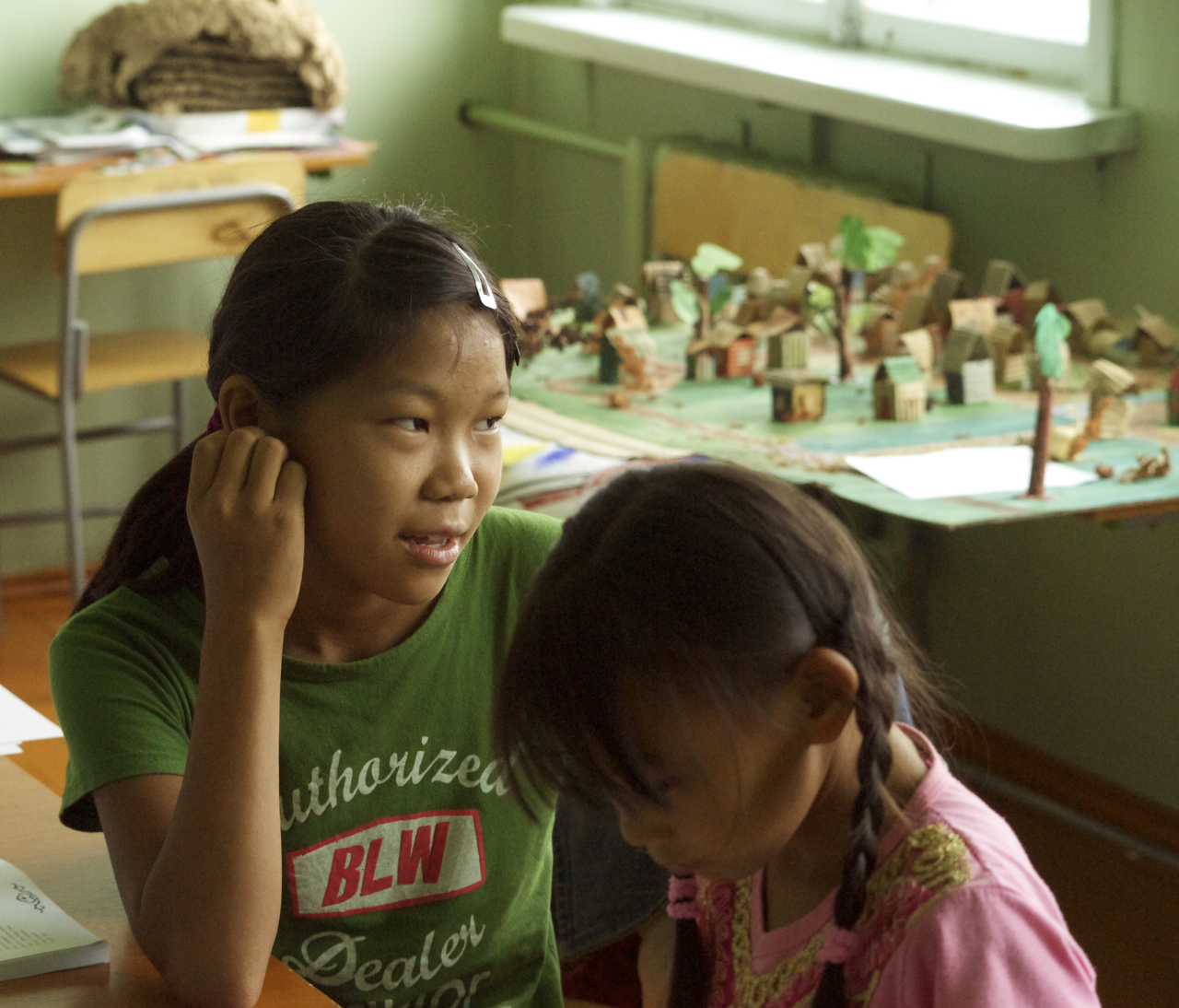
Some of the money has been used to buy a billboard hung on the outside of the school, showing a photo of a tiger and the words, “We save the tiger together!” and a similar poster in the interior of the school, about the rarely seen Amur leopard.
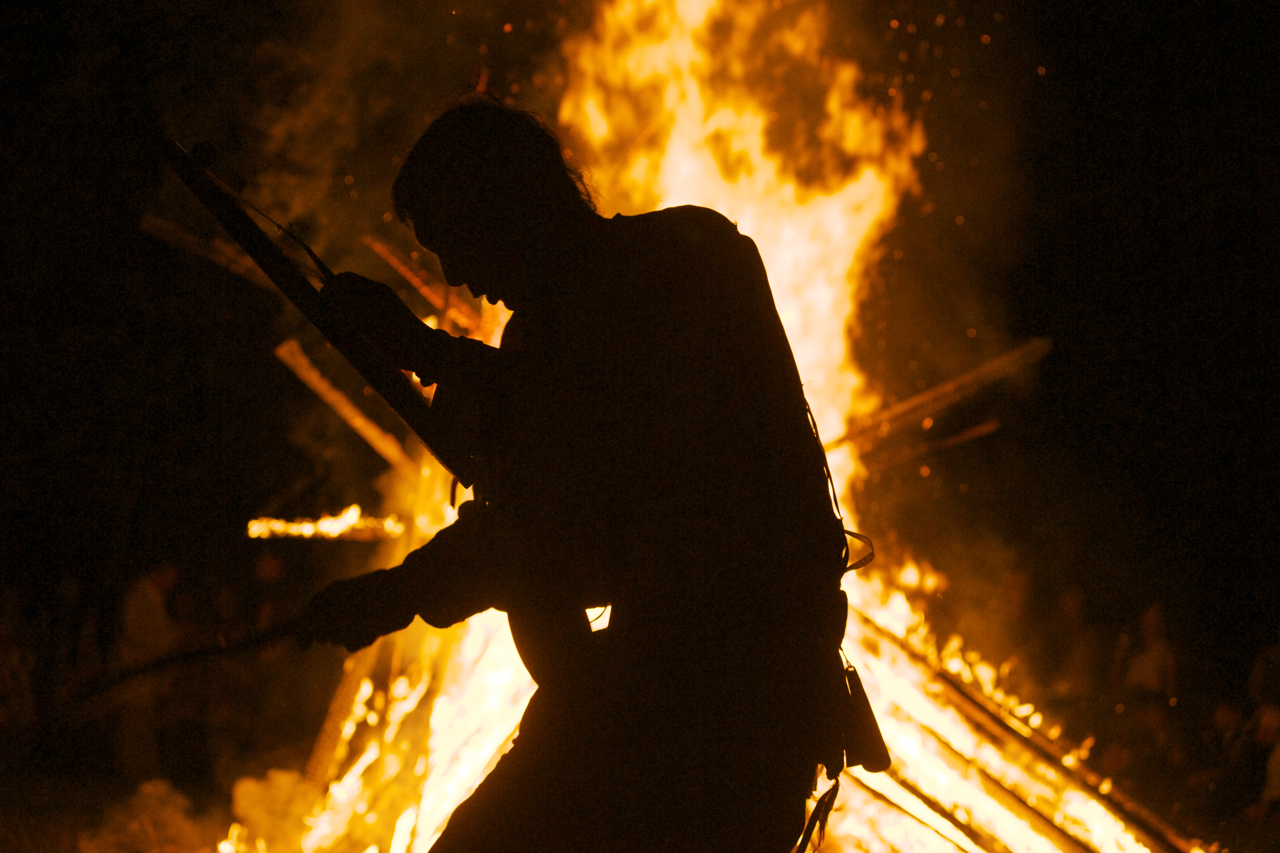
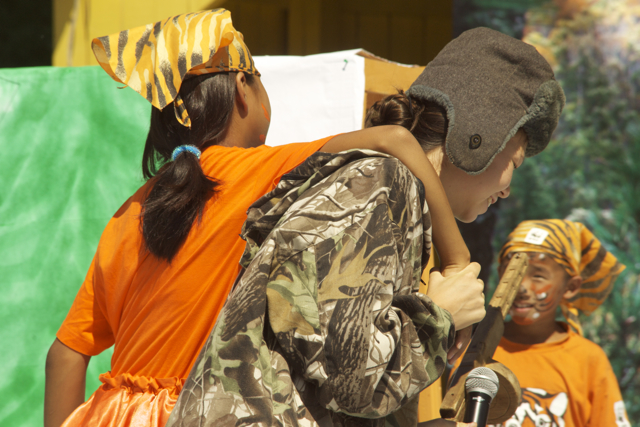
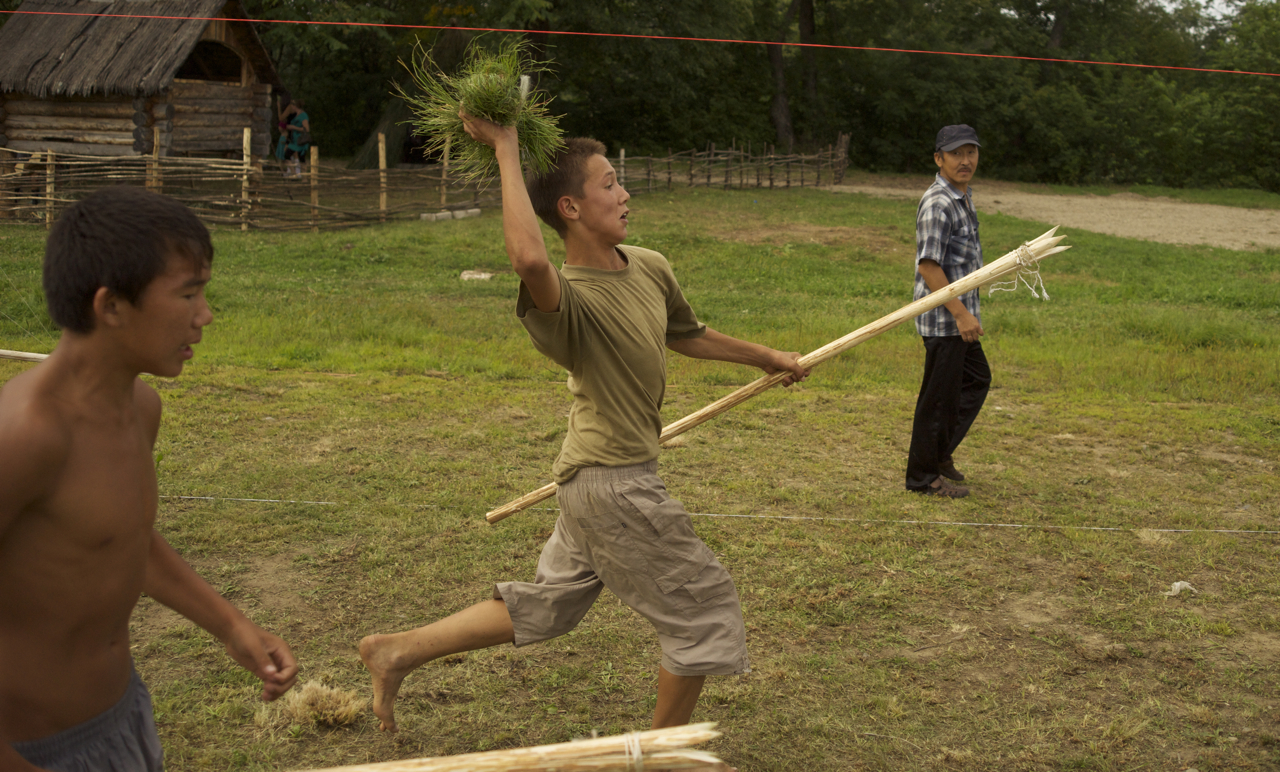
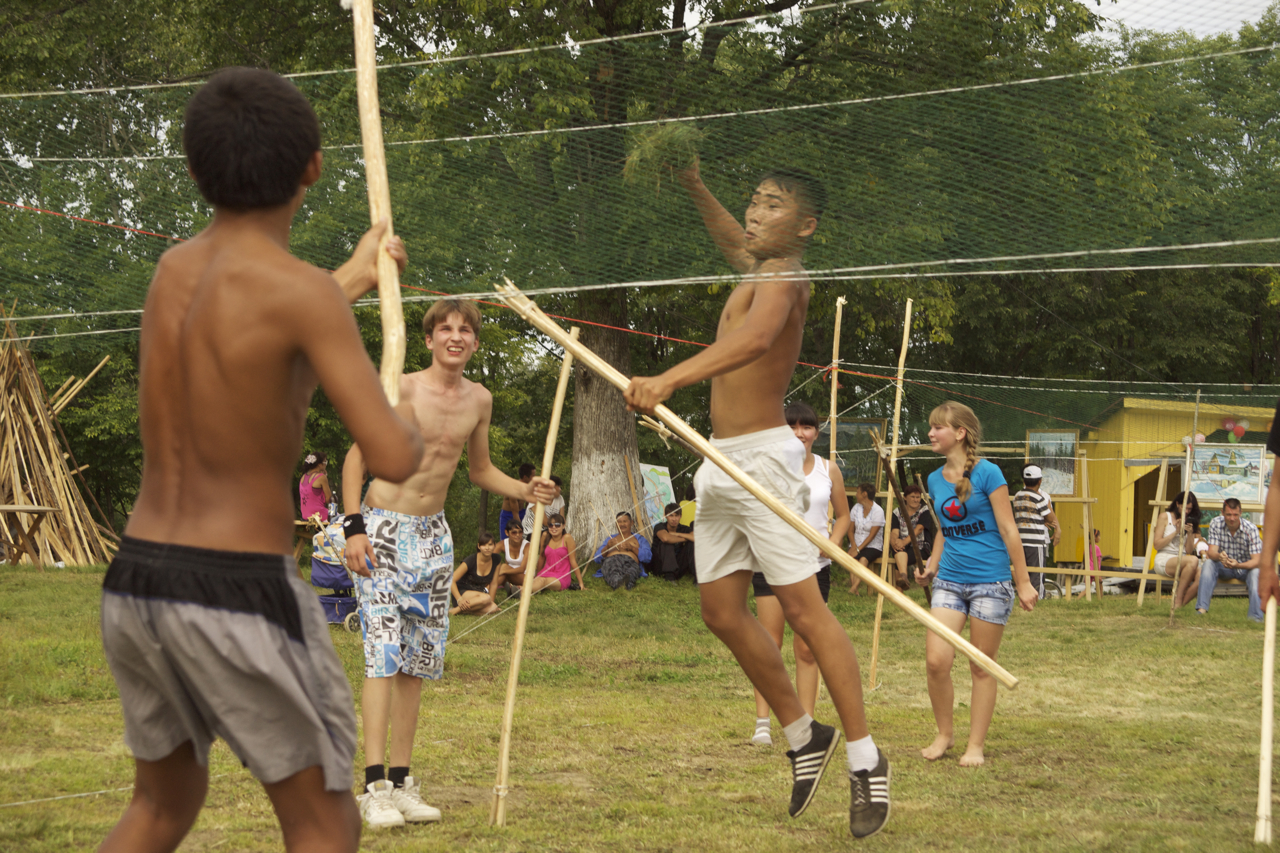
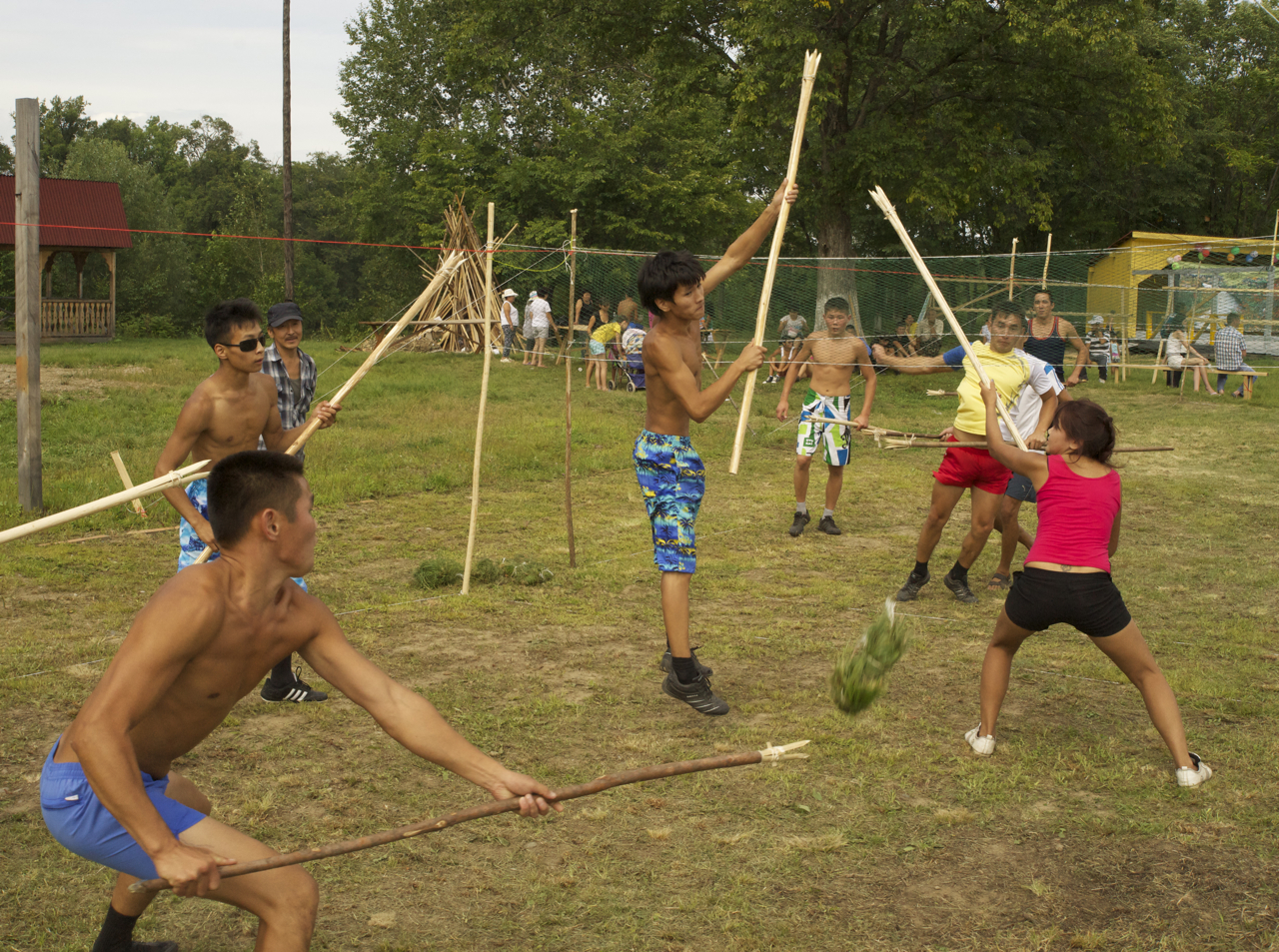
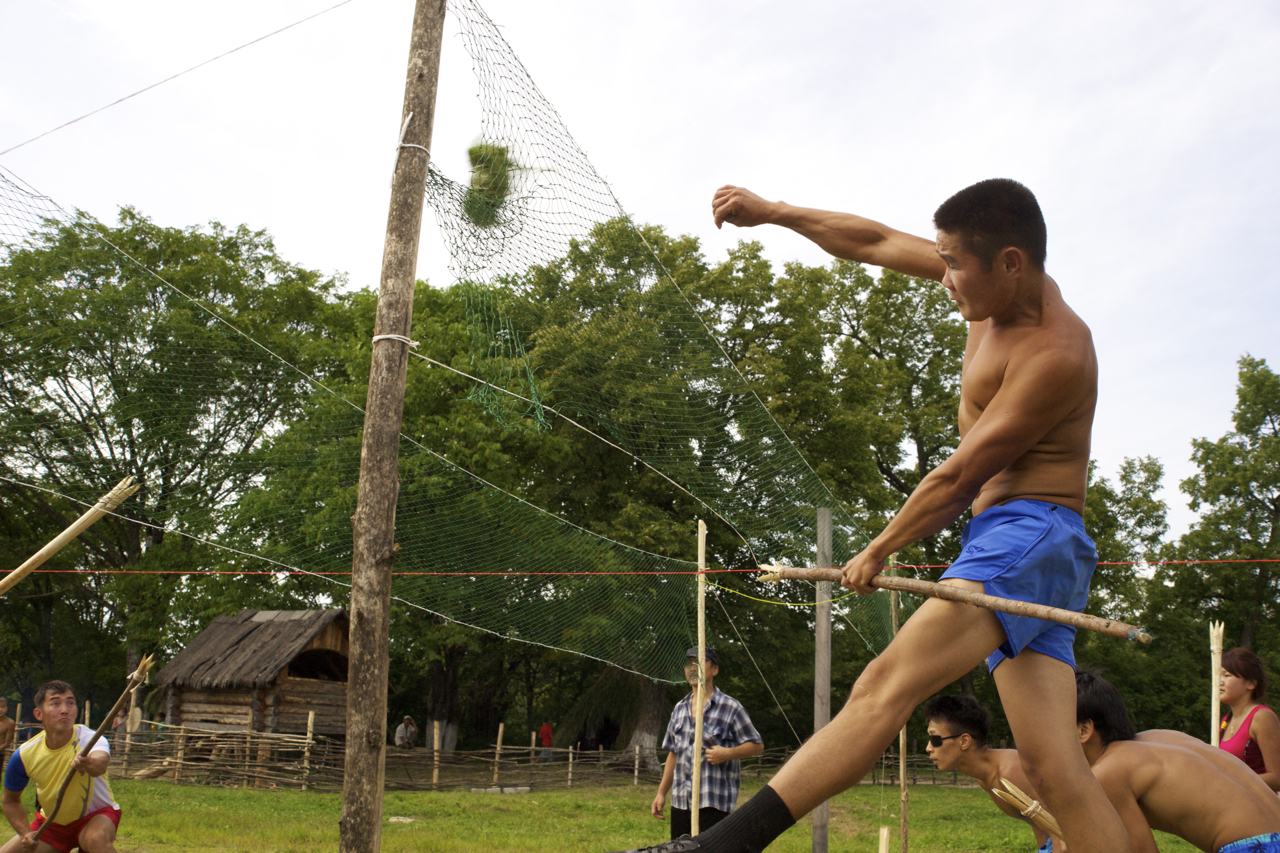
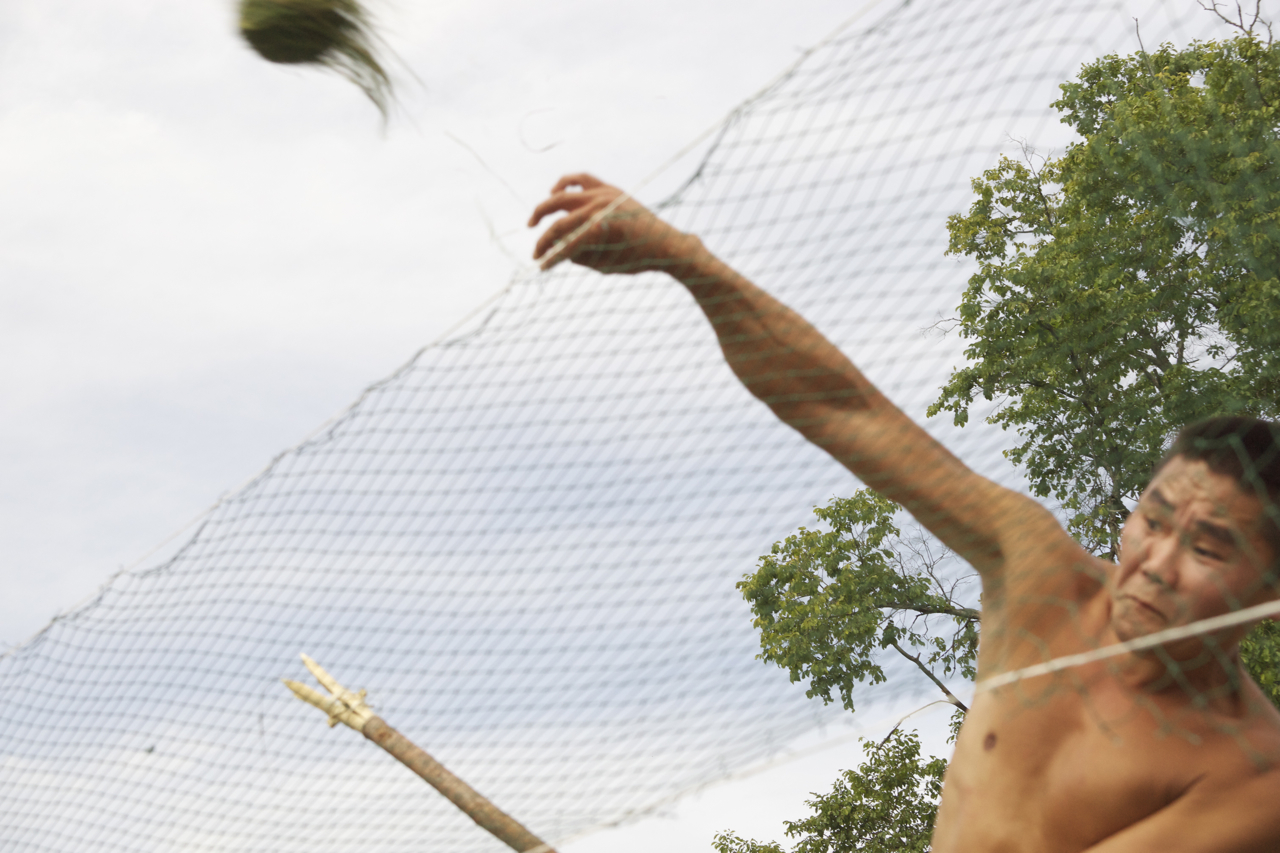
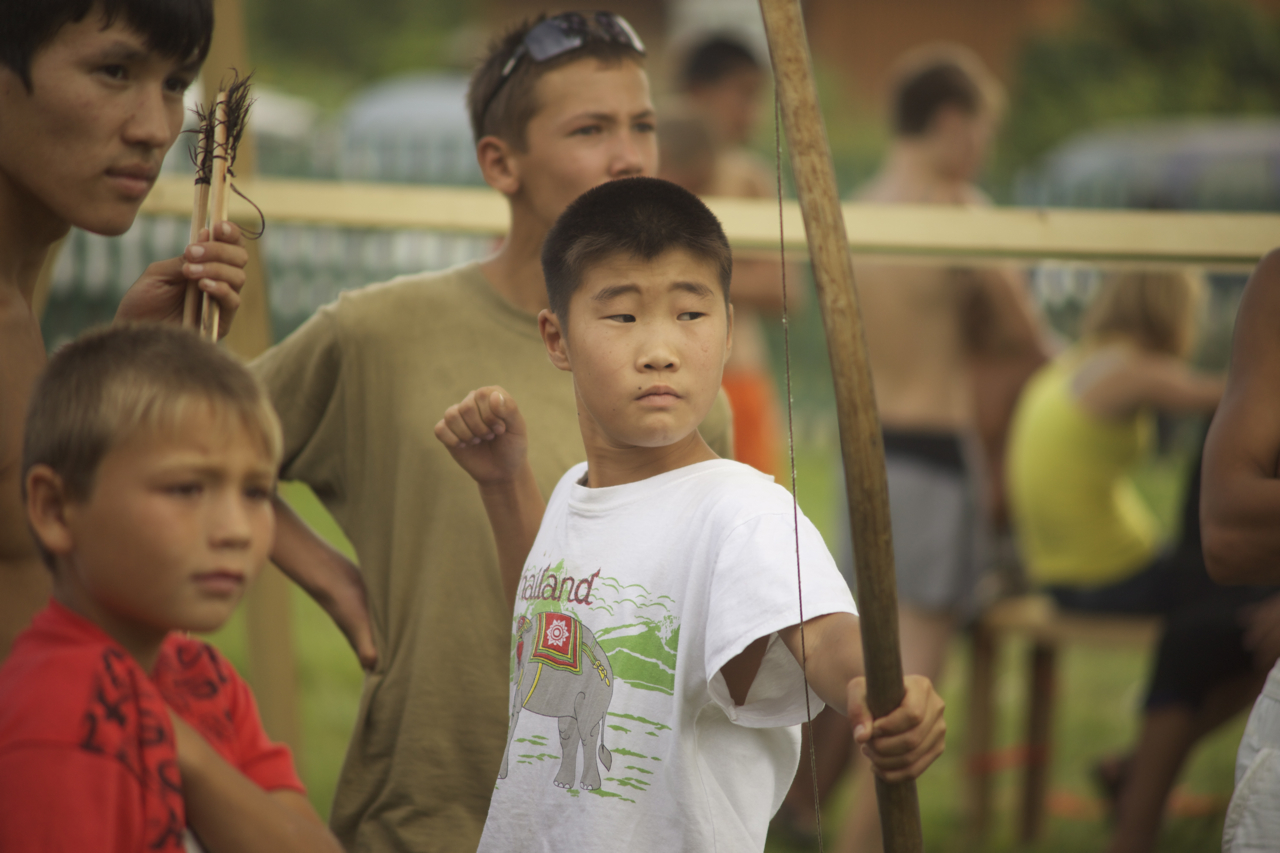
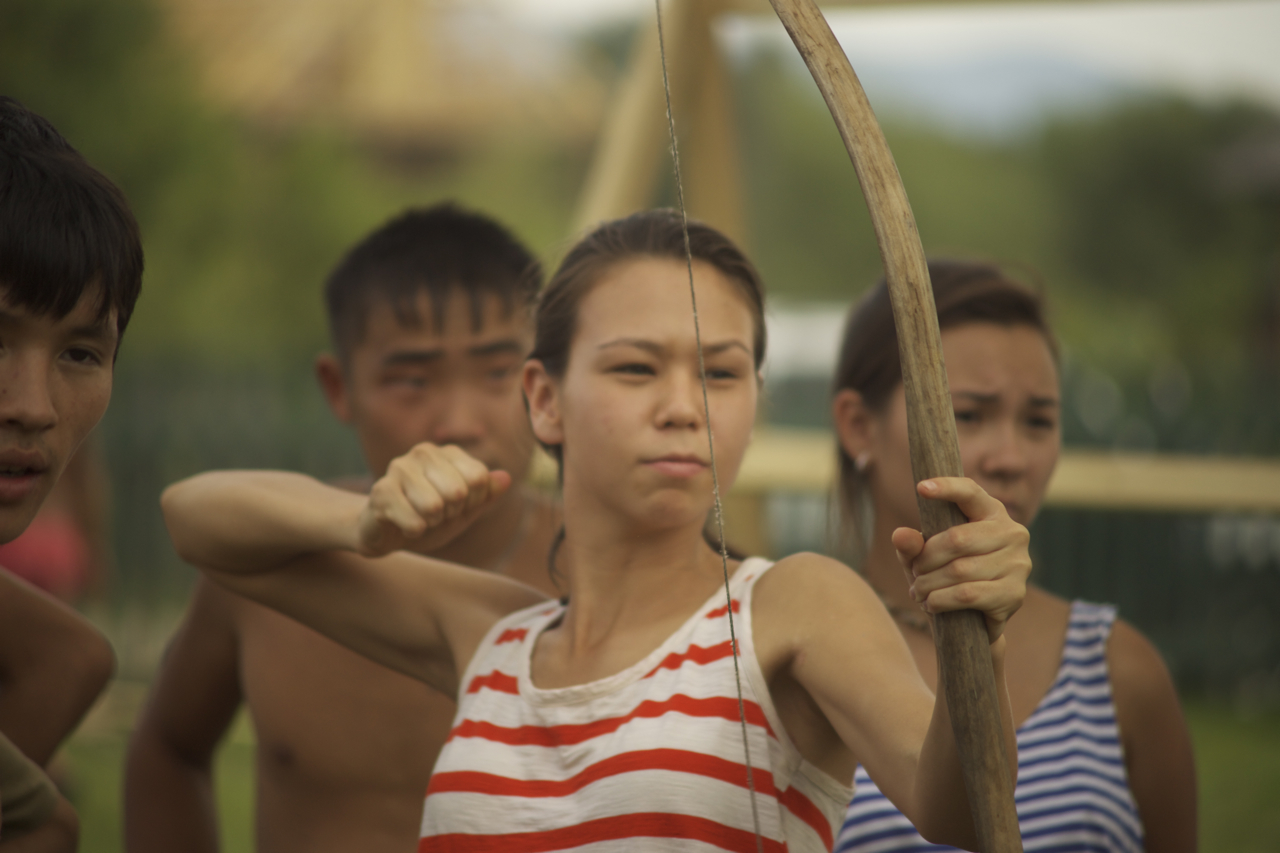
During the Udeghe festival this summer, a group of children repeated the slogan at the conclusion of their skit about a poacher killing a tiger and leaving its cubs motherless. My 16-year-old daughter, Ihila, played the poacher.
Vladimir Putin, who wants to be known as the “tiger president,” has made saving the tiger a priority. Putin’s interest in the tiger may help the Udeghe efforts to win federal protection for the Bikin River basin.
Krasny Yar’s population has declined about 20 percent over the past two decades. There are fewer children and families here. Many young adults, particularly women who go off to college, have moved to cities for more opportunities.
Still, in the economic turmoil that followed the collapse of the Soviet Union, the village is healthier than most villages in rural Russia, some of which has have simply lost so many people they are become ghost towns.
The money from abroad has helped sustain the village, says Daria Zhuralova, 23, who grew up in the village and now works as an English interpreter in Vladivostok. In addition, the attention has helped efforts to preserve the Bikin Basin, which has won preliminary approval to be named a World Heritage site.
Zhuralova, who uses her English skills to arrange ecological tours of the region for Japanese groups, is hopeful that both the tiger and the Udeghe have a future.
“Now the population of the world is concerned about the protection of nature, and now they see that the way the Udeghe have lived is the right way, not the way of civilization,” she says. “Now they are trying to do everything they can to save it.”


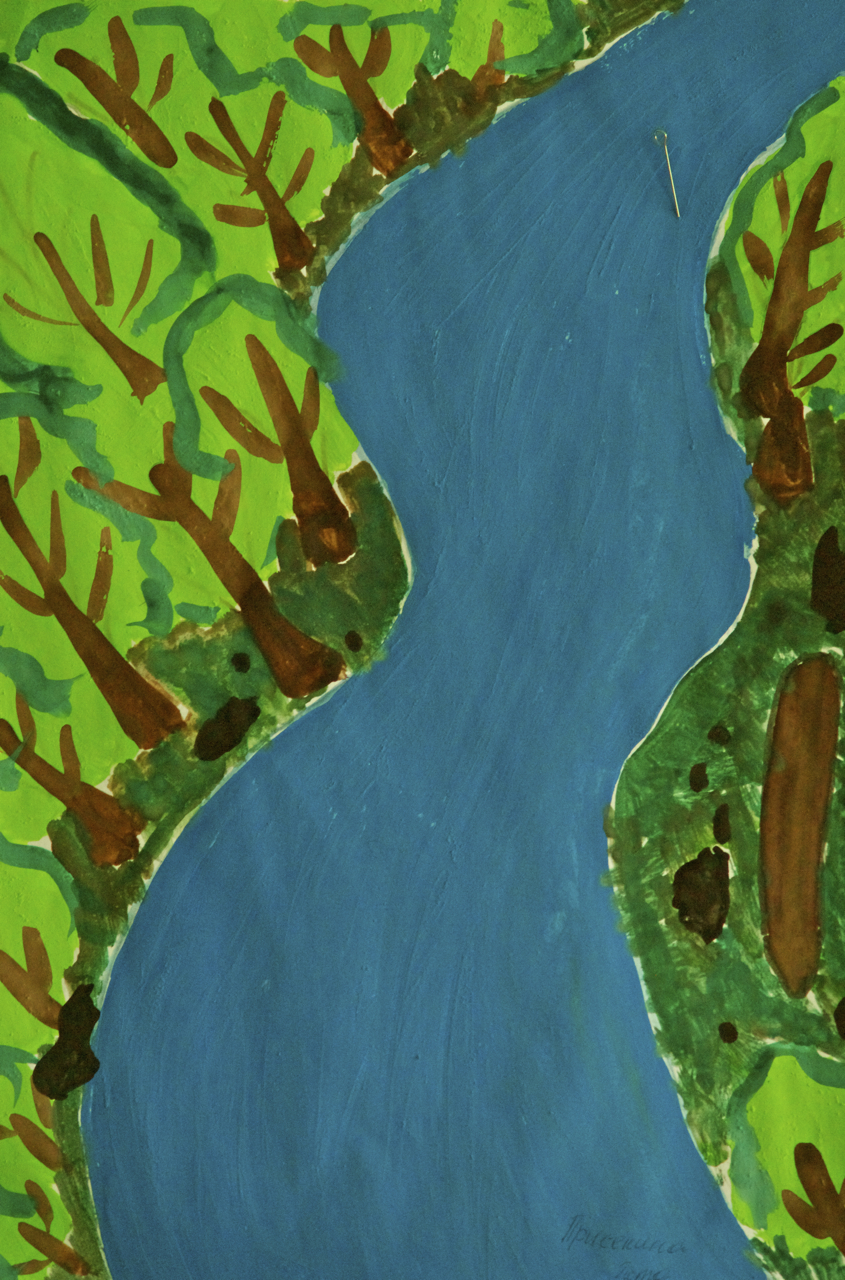


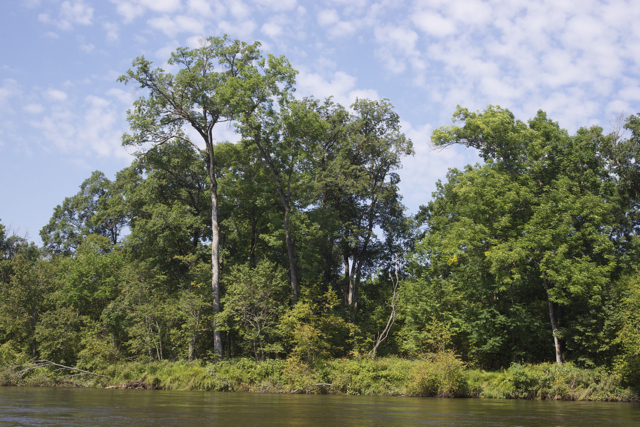
 Situated on the same latitude as the northern tip of Maine, the landscape here would seem familiar to anybody from the East Coast of the United States. The Sik-Alan mountains roll across the horizon and have the same rounded, tree-covered peaks as the mountains in New England.
The forest is largely a mix of familiar broadleaf trees, like oak, hemlock, elm, birch and maple. There’s also Korean pine and cedar.
Yet the forest is so different, in both its richness and diversity, and also in its wildness and vast size. This is not the tundra of the north, or the deserts of Asia and Africa, which are thinly populated because they are inhospitable places with few resources.
This is beautiful and rich country. If this were in the United States, with the great efficiency of its free-market economic system and its footloose and ambitious population, this forest would have long ago been subdivided, first for logging and then ski resorts and vacation homes.
If it was still part of upper Manchuria, as it was before Russians claimed this territory in the mid-1800s, imagine what the Chinese would have done here. You would be seeing these cedar trees stacked in the lumberyards at The Home Depot.
That is why this forest is amazing. That it exists at all.
The forest is lusher than the woods of New England. While the winters here are colder than in Maine’s North Woods, the summers are more like those of the American South, like Georgia or maybe even Louisiana.
Shifting wind patterns have created a strange climate.
In the winter, the prevailing winds came from the west, across all of Europe , over the arid steppes of Mongolia and the mountains of eastern Manchuria before reaching these mountains, wrung dry of moisture and warmth. From November to March, temperatures stay below freezing and can reach 30 to 40 degrees below zero.
I don’t have a climate chart before me, but I can say with experience that winters here are colder than in Anchorage, Alaska, where I had lived for several years.
This cold weather is why the sable and other fur-bearing animals here are so prized. They need their plush fur coats to stay alive.
In the summer, though, the prevailing winds shift and come from the east. The monsoon winds bring heavy rains — including typhoons — from the Sea of Japan.
Three-quarters of the region’s annual precipitation falls in the summer.
The extreme climate allows for a greatest diversity of wildlife and plant life found anywhere in the world at this northern altitude. The region also escaped the last Great Ice Age, during which became a biological refuge from the glaciers.
The summers here are warm and wet enough for opium poppies, ginseng plants, lotus flowers, wild grapes, cork, and bamboo trees. Giant ladybugs cling to the ceilings and windows in village homes. The crickets are bigger than any crickets I’ve ever seen. Ferns grow high enough to almost bury a person standing up.
The forest is home to both the black bear and brown bear, raccoon dogs, wolverines, leopards, deer and elk. There would be timber wolves, if the tigers weren’t here to kill them.
During a short walk in this boreal jungle, just a few miles upriver from Krasny Yar, we saw boar dung, bear tracks, and foot-tall anthills. A hungry bear had recently demolished one of the hills. A Eurasian vulture circled above the towering tree canopy. The forest floor was covered with a deep, wet blanket of spongy moss. It was like stepping on a waterbed.
We also saw cedar trees, the most important tree species here because cedar nuts feed the wild boar, which in turn are prey for the Amur tiger.
“It’s a lot like Maine, except bigger, and more dense, more bugs, more of everything,” my 16-year-old daughter, Ihila, said during our walk. “I feel like an ant here, really small. I’m waiting for a dinosaur to come crashing through these trees.”
Tom Bell, Aug. 28, 2012
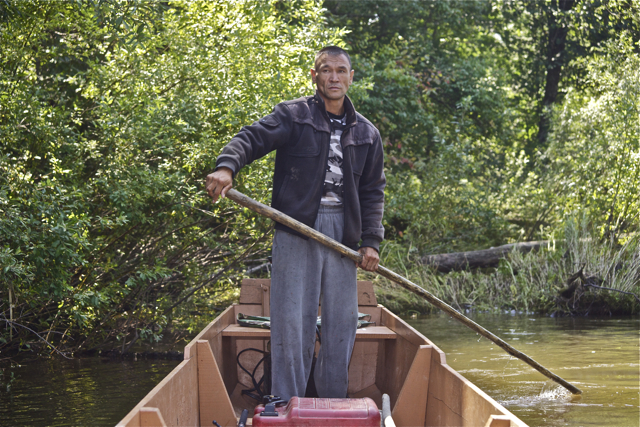
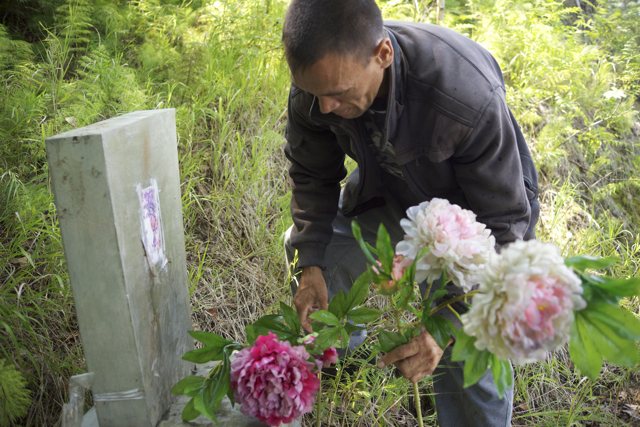
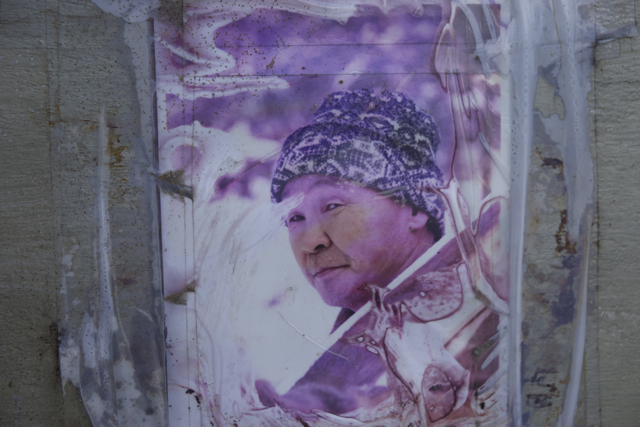
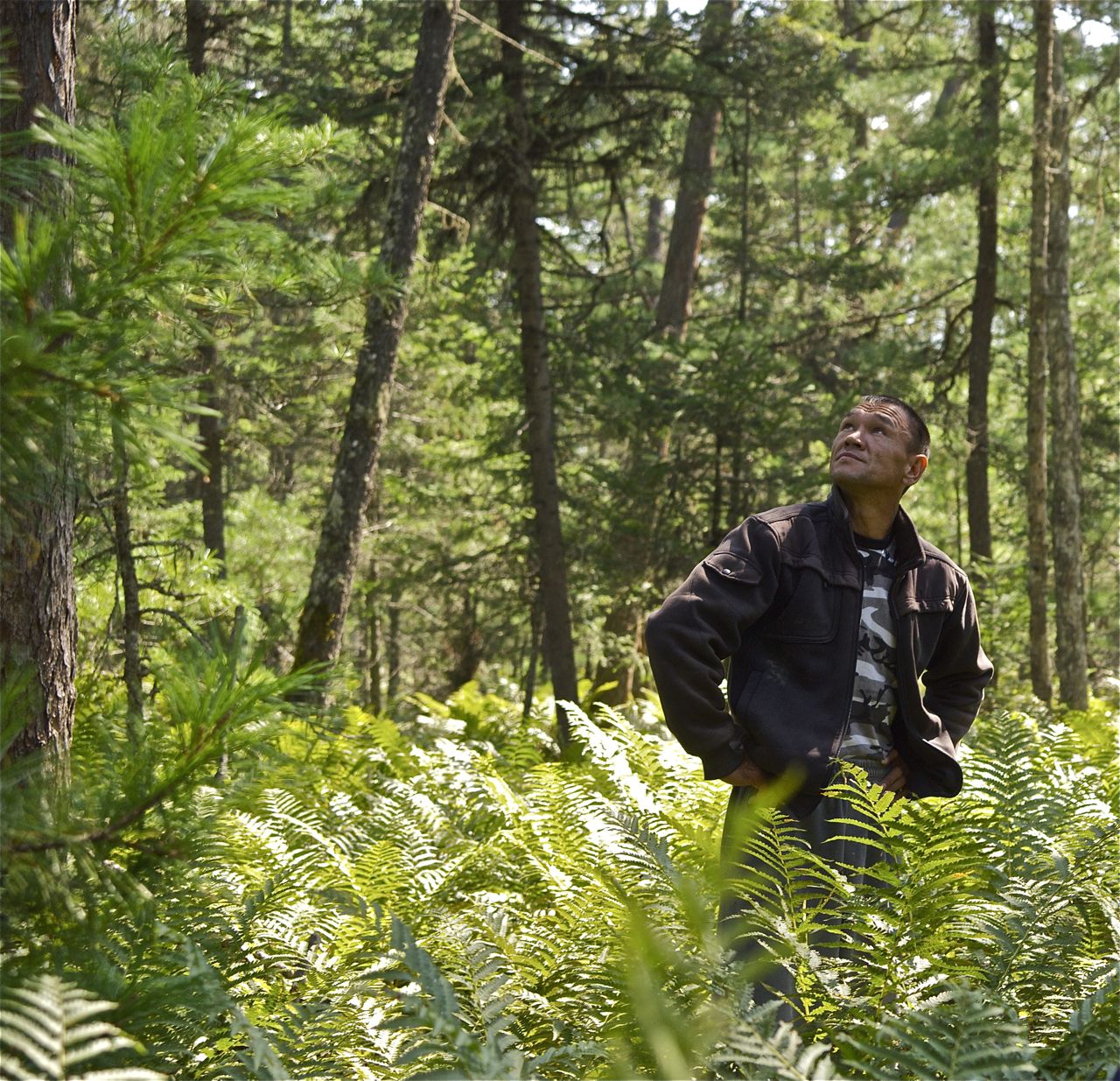 Ihla’s counsin, Gresha, took us for a while in the forest a few miles upriver from Krasny Yar. It had never been harvested. We saw bear tracks and the dung of wild boar. We also so ant hills more than a foot tall. A hungry bear had smashed one of the ant hills. A vulture circuled above the tree canopy. On the way back to the village, Gresha stopped at a monument for a friend, who had drowned in the river on this day two summers ago. His body was never found. The monument was on the bank of the river near where he was last seen.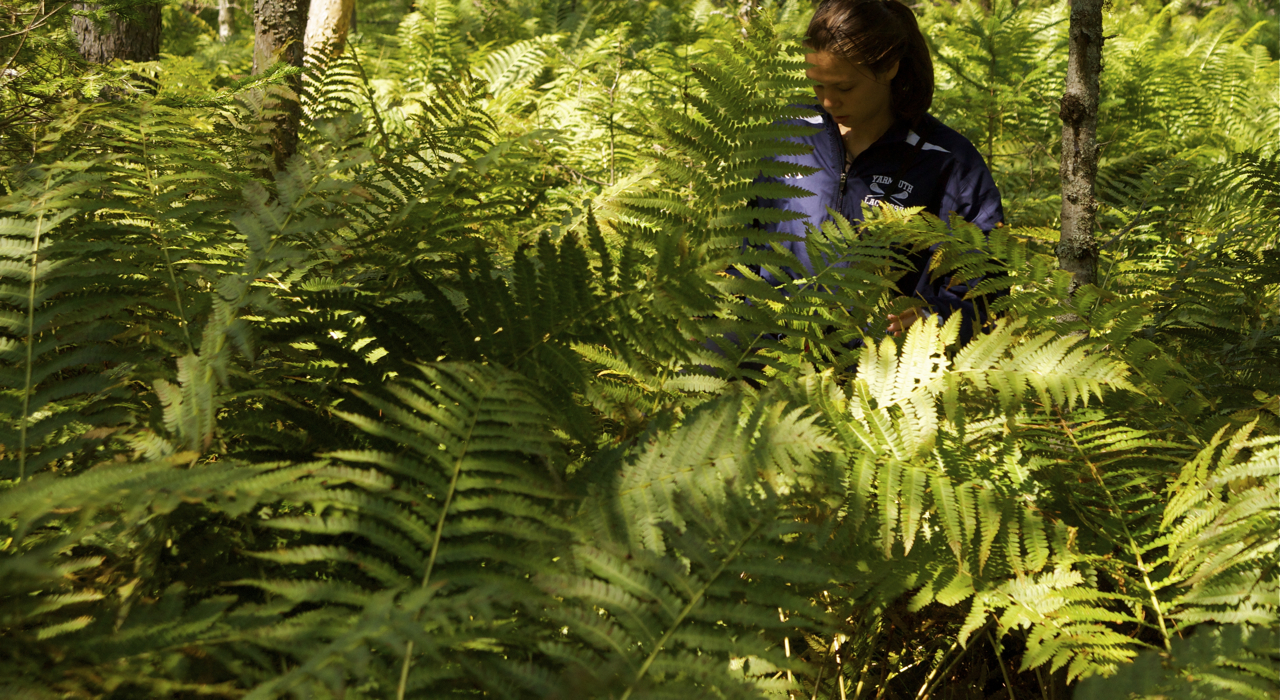



 People of the Tiger